

check out our blog

check out our blog
The Ultimate Guide to Sliding Glass Door Repair in Miami
Sliding glass doors are a popular feature in Miami homes, providing easy access to outdoor spaces and stunning views. However, like any h...
Expert Window Glass Repair Services in Kendall
Windows are a crucial component of any home, providing natural light, ventilation, and insulation. However, when windows are damaged...
The Importance of Commercial Glass Repair in Coral Gables
Commercial spaces in Coral Gables, such as storefronts and office buildings, often feature extensive glass installations. These glass elements not only...
Enhancing Home Safety with Impact Windows and Doors in Homestead
Living in Homestead, where severe weather can pose a significant threat, the installation of impact windows and doors is a wise investment for homeowners...
Why Regular Sliding Door Repair in Pinecrest is Essential
Sliding doors are a popular choice for homes and businesses in Pinecrest due to their space-saving design and easy access to outdoor areas. However...
Comprehensive Guide to Emergency Glass Repair in Cutler Bay
Glass damage can occur unexpectedly, posing risks to safety, security, and property value. Whether due to severe weather, accidents, or vandalis...
The Ultimate Guide to Sliding Glass Door Repair in Miami
Sliding glass doors are a popular feature in Miami homes, providing easy access to outdoor spaces and stunning views. However, like any h...
Expert Window Glass Repair Services in Kendall
Windows are a crucial component of any home, providing natural light, ventilation, and insulation. However, when windows are damaged...
The Importance of Commercial Glass Repair in Coral Gables
Commercial spaces in Coral Gables, such as storefronts and office buildings, often feature extensive glass installations. These glass elements not only...
Enhancing Home Safety with Impact Windows and Doors in Homestead
Living in Homestead, where severe weather can pose a significant threat, the installation of impact windows and doors is a wise investment for homeowners...
Why Regular Sliding Door Repair in Pinecrest is Essential
Sliding doors are a popular choice for homes and businesses in Pinecrest due to their space-saving design and easy access to outdoor areas. However...
Comprehensive Guide to Emergency Glass Repair in Cutler Bay
Glass damage can occur unexpectedly, posing risks to safety, security, and property value. Whether due to severe weather, accidents, or vandalis...
DISCOVER WHAT OUR CUSTOMERS HAVE TO SAY ABOUT US
REVIEWS
This company was quick and punctual! Very polite and the best priced and more importantly done on same day! HIGHLY RECOMMENDED

Amazing attention,good customer service. Good prices and workers like Yadir Castro. Really good experience. Thanks to all of you in this company.
The men were competent and professional.Very satisfied…
Excellent service and prices! Very honest people. Definitely my number 1 choice when it comes to glass replacement and repair.
it was cheaper compare to other providers and they are incredibly efficient, super fast. they go straight to the point, no hassles.
Muy profesionales rápido y excelente precio
REVIEW US ON GOOGLE

DISCOVER WHAT OUR CUSTOMERS HAVE TO SAY ABOUT US
REVIEWS
This company was quick and punctual! Very polite and the best priced and more importantly done on same day! HIGHLY RECOMMENDED
Amazing attention,good customer service. Good prices and workers like Yadir Castro. Really good experience. Thanks to all of you in this company.
The men were competent and professional.Very satisfied…
Excellent service and prices! Very honest people. Definitely my number 1 choice when it comes to glass replacement and repair.
it was cheaper compare to other providers and they are incredibly efficient, super fast. they go straight to the point, no hassles.
Muy profesionales rápido y excelente precio
REVIEW US ON GOOGLE

frequently asked questions
When can I sign up for Medicare?
There are a few key windows, and missing them can cost you. Your Initial Enrollment Period is a 7-month window around your 65th birthday, it starts 3 months before the month you turn 65, includes your birthday month, and runs 3 months after. To avoid a coverage gap, it's best to sign up during the 3 months before your birthday. If you already have Medicare, the Annual Enrollment Period runs October 15 through December 7 each year, and any changes you make take effect January 1.
What does Medicare cost in 2026?
Most people pay nothing for Part A (hospital coverage) because they paid Medicare taxes while working. For Part B (medical coverage), the standard monthly premium is $202.90 in 2026, with an annual deductible of $283. After you meet the deductible, you typically pay 20% of the cost for most doctor services and equipment. Higher earners may pay more for Part B based on income. Part C (Medicare Advantage) and Part D (drug coverage) costs vary by plan.
What's the difference between Original Medicare and Medicare Advantage?
Original Medicare is run by the federal government and includes Part A and Part B. It lets you see any doctor that accepts Medicare, but it doesn't cover everything, things like prescription drugs, dental, vision, and hearing usually aren't included. Medicare Advantage (Part C) is offered by private insurers and bundles Parts A, B, and often D into one plan, frequently adding extras like dental or vision. The tradeoff is that Advantage plans usually require you to use a network of doctors. Which is better depends on your health needs, budget, and preferred doctors.
Do I need a separate plan for prescription drugs?
Possibly. Original Medicare (Parts A and B) does not cover most prescription drugs, so you'd need a standalone Part D plan to get that coverage. Many Medicare Advantage plans include drug coverage already. One important thing to know: if you don't sign up for drug coverage when you're first eligible and go without it, you may face a late-enrollment penalty that gets added to your premium for as long as you have the plan.
What happens if I sign up late?
Late penalties are real and they can be permanent, so this matters. For Part B, the penalty adds 10% to your monthly premium for every full 12-month period you delayed enrollment without other qualifying coverage and you generally keep paying it for as long as you have Medicare. There's a separate penalty for Part D drug coverage too. The good news: if you're still working and have coverage through your job (or your spouse's), you may qualify for a Special Enrollment Period that lets you delay without penalty.
What do I do when I turn 65?
Describe the item or answer the question so that site visitors who are interested get more information. You can emphasize this text with bullets, italics or bold, and add links.

frequently asked questions
When can I sign up for Medicare?
There are a few key windows, and missing them can cost you. Your Initial Enrollment Period is a 7-month window around your 65th birthday, it starts 3 months before the month you turn 65, includes your birthday month, and runs 3 months after. To avoid a gap in coverage, it's best to sign up during the 3 months before your birthday. If you already have Medicare, the Annual Enrollment Period runs October 15 through December 7 each year, and any changes you make take effect January 1.
What does Medicare cost in 2026?
Most people pay nothing for Part A (hospital coverage) because they paid Medicare taxes while working. For Part B (medical coverage), the standard monthly premium is $202.90 in 2026, with an annual deductible of $283. After you meet the deductible, you typically pay 20% of the cost for most doctor services and equipment. Higher earners may pay more for Part B based on income. Part C (Medicare Advantage) and Part D (drug coverage) costs vary by plan.
What's the difference between Original Medicare and Medicare Advantage?
Original Medicare is run by the federal government and includes Part A and Part B. It lets you see any doctor that accepts Medicare, but it doesn't cover everything, things like prescription drugs, dental, vision, and hearing usually aren't included. Medicare Advantage (Part C) is offered by private insurers and bundles Parts A, B, and often D into one plan, frequently adding extras like dental or vision. The tradeoff is that Advantage plans usually require you to use a network of doctors. Which is better depends on your health needs, budget, and preferred doctors.
Do I need a separate plan for prescription drugs?
Possibly. Original Medicare (Parts A and B) does not cover most prescription drugs, so you'd need a standalone Part D plan to get that coverage. Many Medicare Advantage plans include drug coverage already. One important thing to know: if you don't sign up for drug coverage when you're first eligible and go without it, you may face a late-enrollment penalty that gets added to your premium for as long as you have the plan.
What happens if I sign up late?
Late penalties are real and they can be permanent, so this matters. For Part B, the penalty adds 10% to your monthly premium for every full 12-month period you delayed enrollment without other qualifying coverage and you generally keep paying it for as long as you have Medicare. There's a separate penalty for Part D drug coverage too. The good news: if you're still working and have coverage through your job (or your spouse's), you may qualify for a Special Enrollment Period that lets you delay without penalty.
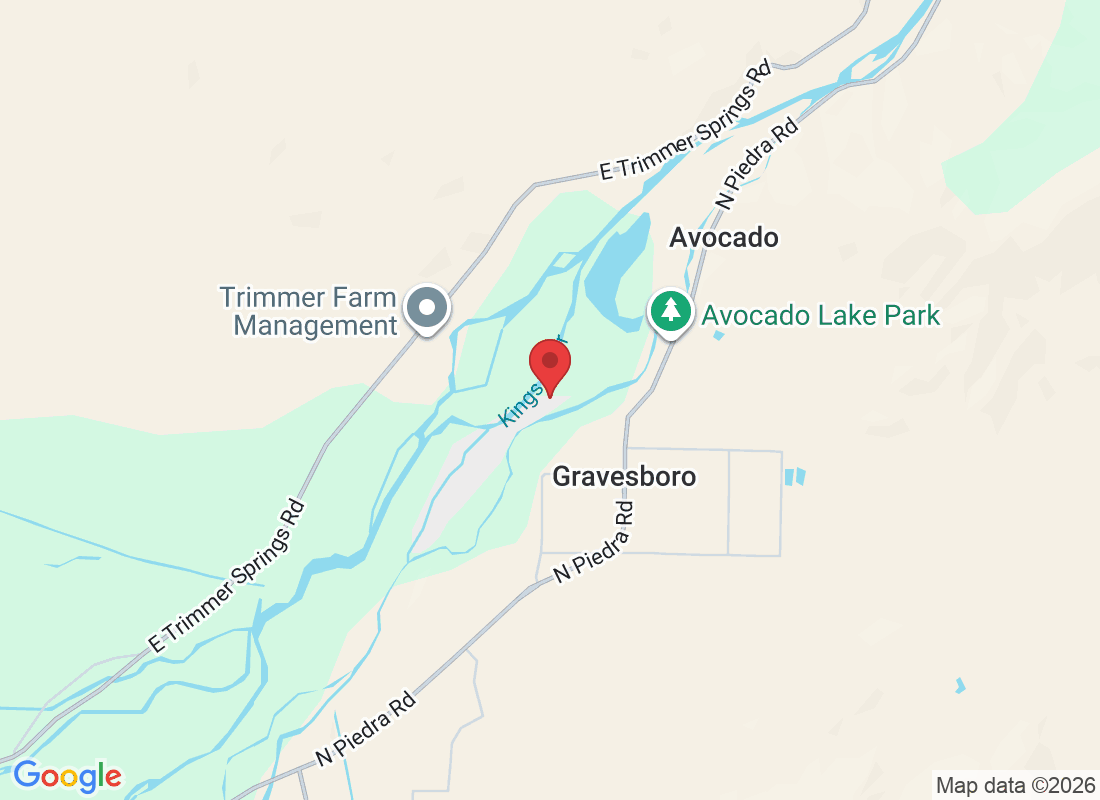
proudly serving these areas
California
Greater Los Angeles
Inland Empire
Orange County
San Diego County
Central Valley
San Francisco Bay Area
Sacramento / Northern California
Central Coast
Arizona
Greater Phoenix / Valley of the Sun
Tucson / Southern Arizona
Northern Arizona
West Valley & Yuma
East Valley & Pinal County
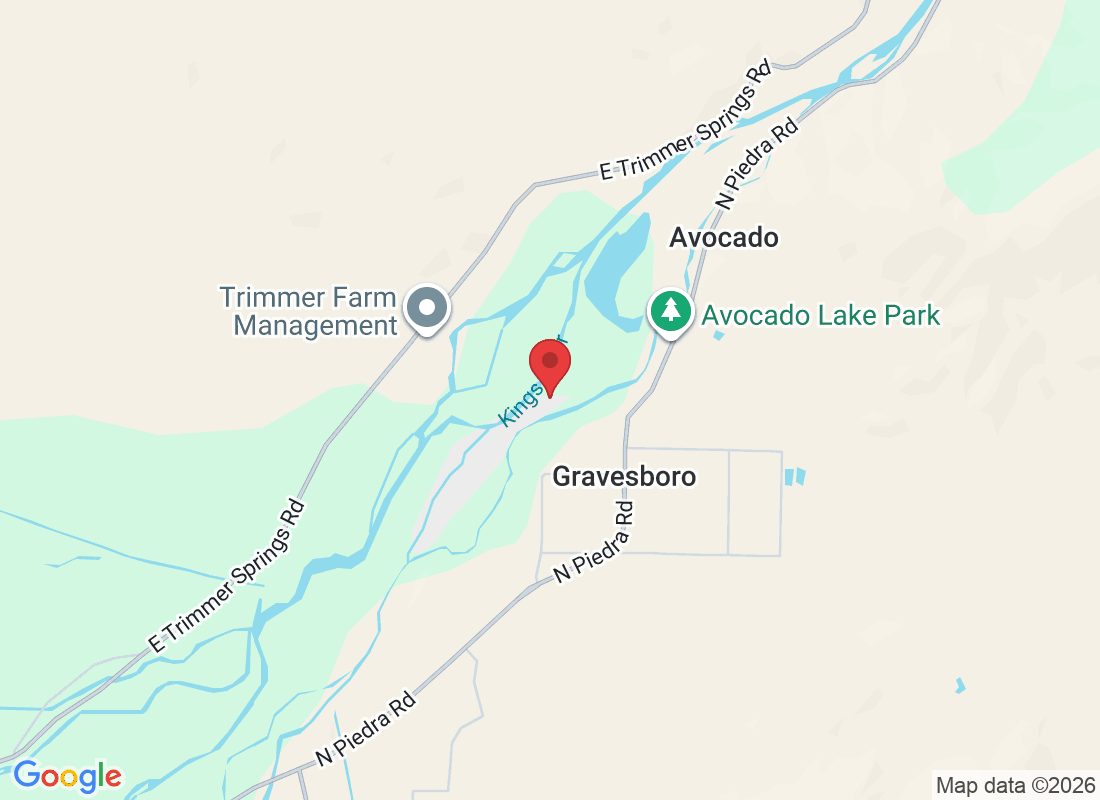
proudly serving these areas
California
Greater Los Angeles
Inland Empire
Orange County
San Diego County
Central Valley
San Francisco Bay Area
Sacramento / Northern California
Central Coast
Arizona
Greater Phoenix / Valley of the Sun
Tucson / Southern Arizona
Northern Arizona
West Valley & Yuma
East Valley & Pinal County
LIVE THE LIFE YOU
ALWAYS IMAGINED
LIVE THE LIFE YOU
ALWAYS IMAGINED
Aguilera & Associates Insurance Services
CA LIC #0B01700 6620 Coyle Ave Suite 120, Carmichael, CA 95608
Cell (415) 271-5160
cONTACT
